Baby Botox and Preventative Botox: What They Are and Who They Suit
Smaller doses for a softer, still-moving look. Here's how baby Botox works, whether starting in your 20s or 30s makes sense, and what it costs.
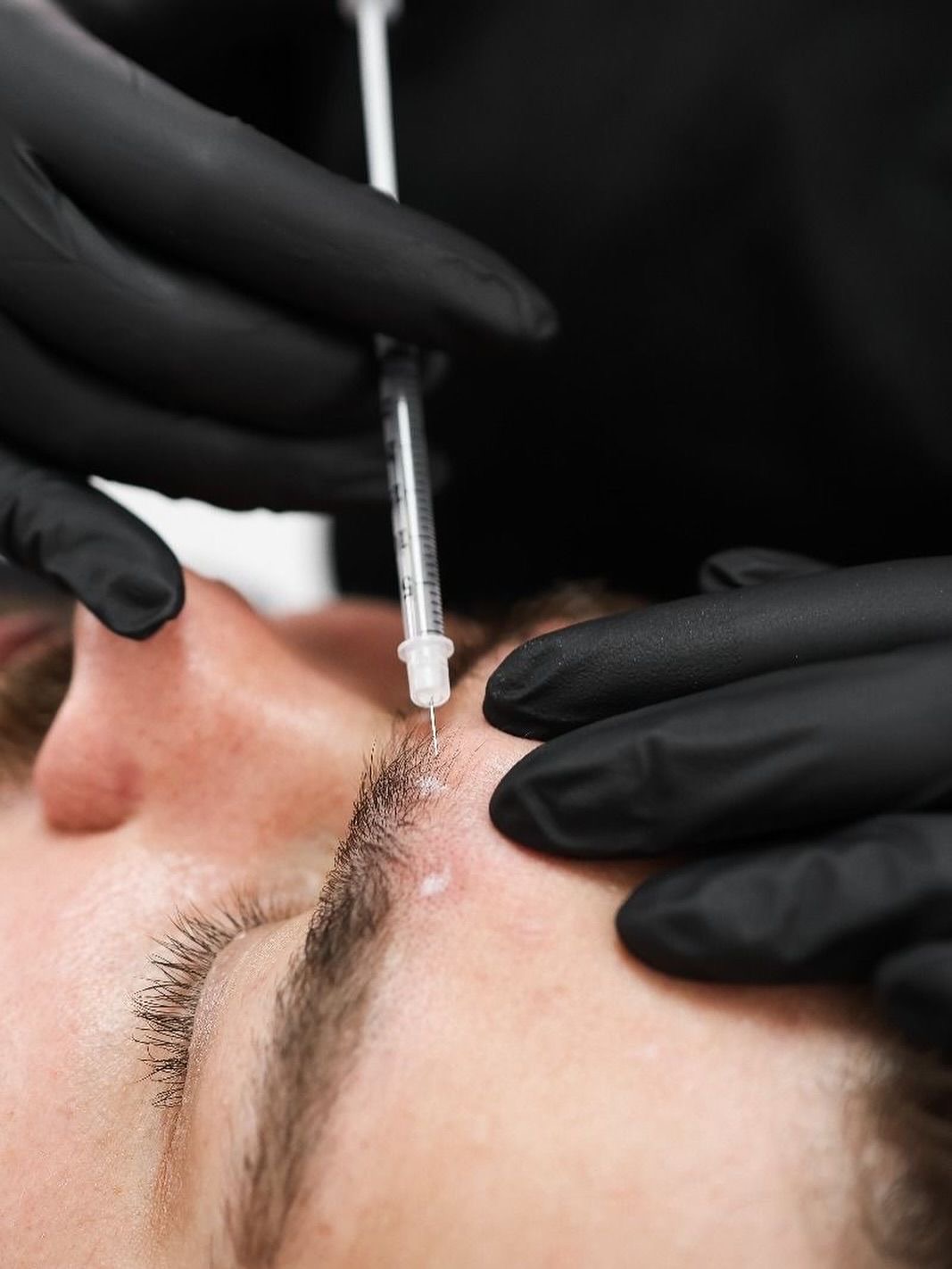
- Baby Botox uses fewer units spread across an area to soften lines while keeping natural movement.
- Preventative Botox means treating early, before lines are etched in at rest; it's a timing choice, not a different product.
- Smaller doses usually mean results fade sooner, often after 2–3 months instead of 3–4.
- At $11.50 a unit, a light upper-face dose of 15–30 units is roughly $175–$345 at Aurelia.
Not everyone wants a perfectly still forehead. Many of the patients we see in North Miami and Palm Beach Gardens, especially first-timers in their twenties and thirties, want to look rested in photos and still look like themselves when they talk. That is what "baby Botox" is designed for. Here's how it differs from a standard dose, and whether "preventative" Botox actually prevents anything.
What baby Botox is
Baby Botox isn't a separate product. It is the same botulinum toxin (Botox, Dysport or Xeomin) used in smaller doses, often spread over more, shallower injection points. The goal is to soften how hard a muscle contracts rather than stop it.
The result is lighter: fine lines look smoother, expressions stay natural, and there is less chance of a heavy or "frozen" look. It suits people with early, fine lines, expressive faces and anyone nervous about trying Botox for the first time.
What "preventative" Botox means
Lines first appear only when you move (dynamic lines). After years of the same expressions, they start to show even when your face is relaxed (static lines). Preventative Botox means treating while lines are still mostly dynamic, so the skin spends less time being folded in the same place.
It's a sensible idea with some supporting evidence, but it's not a guarantee. Sun exposure, smoking, genetics and skincare drive skin ageing at least as much as muscle movement. In South Florida, daily sunscreen is the most effective "preventative" step there is.
Who is a good candidate?
A good fit: people in their mid-twenties to thirties with lines that appear when they frown, raise their brows or smile; people who want a subtle result; and long-term Botox patients who want a lighter look.
Probably not the best fit: deep lines that are visible at rest (they usually need a full dose, and sometimes filler or skin resurfacing too), or very strong frown muscles, which tend to break through a light dose quickly.
Botox isn't given during pregnancy or breastfeeding, or to people with certain neuromuscular conditions. We go through your health history at the consultation.
Baby Botox vs a standard dose
Units: a full upper-face treatment (forehead, frown lines, crow's feet) often uses around 40–64 units. A baby Botox approach to the same areas might use roughly 15–30 units, adjusted to how strongly your muscles move.
Look: standard dosing gives the smoothest result; baby Botox softens lines while keeping more movement.
How long it lasts: because less product is used, results usually fade sooner, often at 2–3 months rather than 3–4. Our guide to how long Botox lasts explains why.
Common baby Botox areas
Forehead: a light dose keeps the brows mobile and avoids heaviness.
Frown lines (the 11s): these muscles are strong, so we are careful not to under-dose to the point the result barely shows.
Crow's feet: a few units soften smile lines without changing your smile.
Lip flip: a few units relax the upper lip edge so more of the lip shows when you smile.
How much does baby Botox cost?
At Aurelia, Botox is $11.50 per unit, Dysport $4 per unit and Xeomin $11.25 per unit. A light upper-face treatment of 15–30 Botox units comes to about $175–$345. Because results fade a little sooner, you may come back three or four times a year, so the yearly cost can be similar to standard dosing.
Our Botox cost guide breaks down pricing by area, and the full rates are on our price list.
What to expect on the day
The visit takes about 15–20 minutes. There's no downtime: tiny bumps at the injection points settle within an hour. You'll see softening in 3–5 days and the full effect at around two weeks, which is when your complimentary follow-up is booked. Follow our Botox aftercare guide for the first 24 hours.
Frequently asked questions
What age should you start Botox?+
There's no set age. Many people start in their mid-twenties to early thirties when expression lines begin to linger. The right time is when lines bother you, not a number on the calendar.
How many units is baby Botox?+
It varies by person and area, but a light upper-face treatment is often around 15–30 units in total, compared with roughly 40–64 for a standard full upper-face dose.
How long does baby Botox last?+
Usually around 2–3 months, a little shorter than a standard dose because less product is used.
Is preventative Botox worth it?+
It can help stop expression lines becoming permanent, especially combined with daily sunscreen and good skincare. It isn't essential, and it won't stop every sign of ageing.
Will baby Botox look natural?+
That's the aim. Smaller doses keep more movement, so you look rested rather than frozen.

Board-certified Family Nurse Practitioner, Doctor of Nursing Practice and experienced aesthetic injector with nearly 20 years of medical expertise. Dr. Langley believes that beautiful aesthetic results should enhance a woman’s natural features rather than change what makes her unique — every plan prioritizes safety, balance, and natural-looking results.
“My goal is never to make you look like someone else. It’s to help you feel beautiful, confident, and completely yourself.”
Ready to take the next step? Explore the treatment and book at our North Miami (Biscayne Blvd) or Palm Beach Gardens (Northlake Blvd) clinic:
This article is informed by guidance from independent medical authorities. Always consult a licensed provider for advice specific to you.
- Botulinum toxin — American Society of Plastic Surgeons
- How to select a sunscreen — American Academy of Dermatology
Aurelia's clinical content is written and reviewed by the practice's medical team, led by a board-certified injector recognized among the Top 100 in the USA.
- Top 100Injector-led clinical team — recognized among the Top 100 Injectors in the USA
- Board-certifiedFNP-C medical oversight on every treatment plan
- Since 2016Two South Florida clinics — North Miami & Palm Beach Gardens
- 5.0★From 217 verified patient reviews
- FDA-approvedInjectables, plus medical-grade, clinically studied devices