How Long Does Botox Last? A Realistic Timeline by Area
Most Botox results last three to four months, but the area, the dose and your own muscles all change that number. Here's what to expect and how to stretch the time between visits.
- Most people get 3–4 months from Botox; first-timers often a little less.
- You'll see the first change in 3–4 days and the full result at about 2 weeks.
- Strong muscles like the masseter hold results longer (4–6 months); a lip flip fades sooner (6–8 weeks).
- The right dose and a steady schedule do more to extend results than any after-care trick.
"How long will it last?" is the question we hear most in the treatment chair, usually right after "will it hurt?" The honest answer is a range, not a single number, because Botox works on living muscle and nerve tissue that your body keeps repairing. This guide walks through the timeline our Botox and anti-wrinkle patients at Aurelia actually experience, area by area, and what you can do to get the most out of every appointment.
The short answer: about 3 to 4 months
For the classic cosmetic areas (forehead lines, the "11s" between the brows and crow's feet) most patients enjoy smooth results for three to four months. Movement then returns gradually rather than all at once, so many people don't notice it wearing off until they catch a frown line in a photo.
That range shifts with a few things you can't fully control, such as how strong your muscles are and how quickly your body breaks the product down, and a few things you can, such as the dose and how regularly you come back. More on both below.
The Botox timeline, week by week
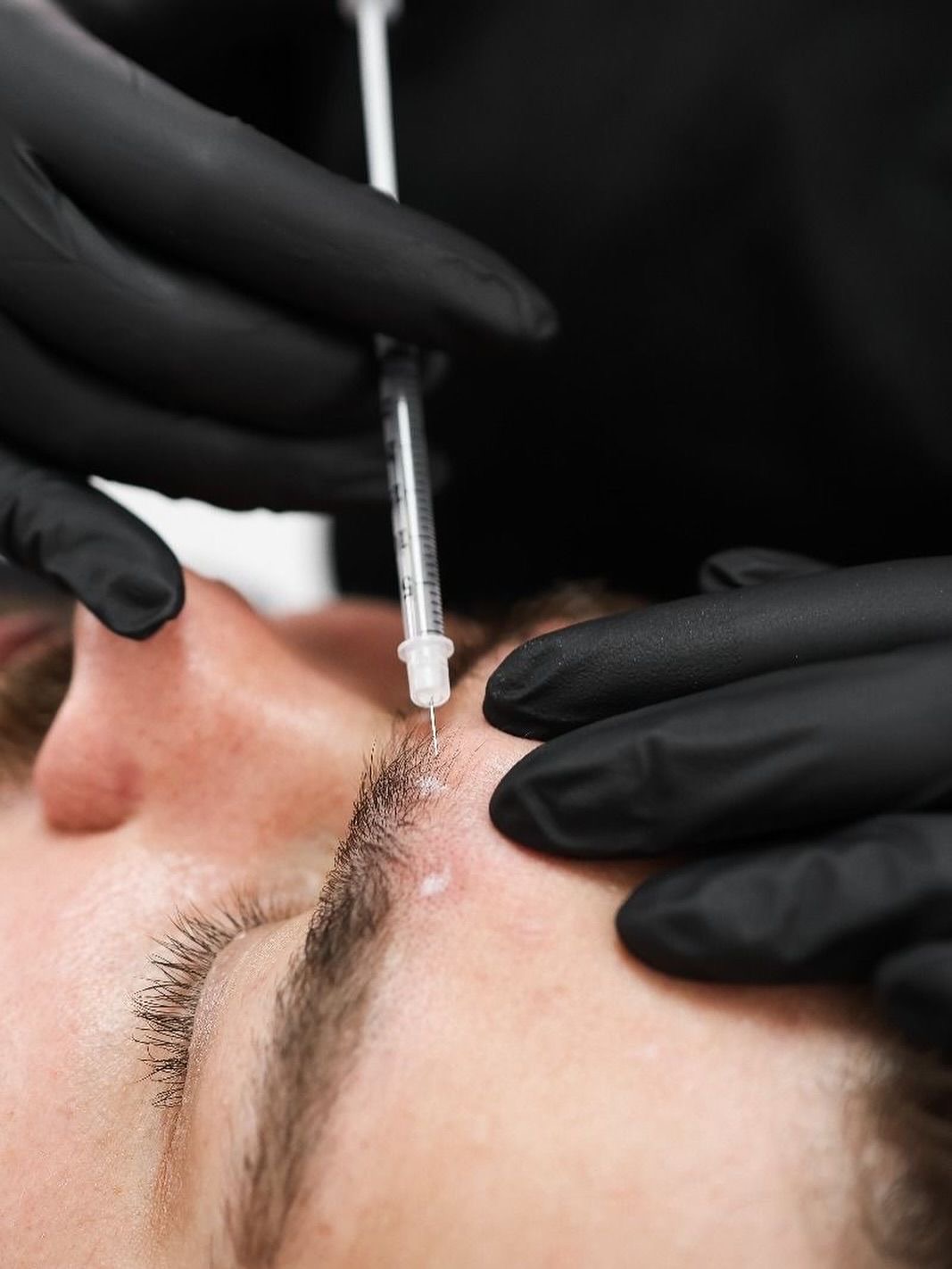
Day 0–2: nothing visible yet. Tiny bumps at the injection points settle within an hour or so, and any pinprick bruising fades over a few days. Follow the first-day rules in our Botox aftercare guide so the product stays where it was placed.
Day 3–5: the first softening. Frowning or raising your brows starts to feel harder, and lines look lighter.
Day 10–14: the full result. This is when we judge whether the dose and placement were right, which is why every Aurelia Botox appointment includes a complimentary two-week follow-up. If one side is stronger or a line still breaks through, a small top-up is done then.
Weeks 6–10: the plateau. Results are at their steadiest and most people forget they had anything done.
Months 3–4: the gradual return. Expressions come back softly over a few weeks. Booking your next visit when you first see movement, rather than waiting for lines to fully return, keeps results steady.
How long Botox lasts by treatment area
Forehead lines: 3–4 months. The forehead muscle is broad and thin, and it is often dosed conservatively so the brows don't feel heavy, which can put it at the shorter end of the range.
Frown lines (the 11s): 3–4 months. The muscles between the brows are strong, so they need a proper dose; given one, they tend to hold well.
Crow's feet: about 3 months. We smile and squint all day, and that constant use can bring movement back slightly sooner.
Masseter (jaw slimming and clenching): 4–6 months. Larger doses into a big muscle last longer, and after a few rounds the muscle itself gets smaller, so many patients can space visits further apart. We cover this in detail in our Botox for TMJ and masseter guide.
Lip flip: 6–8 weeks. Only a few units go into a muscle that moves every time you talk, eat or drink, so it fades fastest of all.
Underarm sweating (hyperhidrosis): often around 6 months or longer. Here Botox blocks the signal to sweat glands rather than muscles, and results usually outlast cosmetic treatments.
Why Botox wears off
Botox (onabotulinumtoxinA) works by blocking the chemical message a nerve sends to tell a muscle to contract. It doesn't damage the nerve. Over the following months the nerve grows new connection points and the muscle gradually wakes up, which is exactly why the effect is temporary and why a result you don't love will always resolve on its own.
So there is no way to make Botox permanent. The goal is to get the full benefit from each treatment and plan the next one at the right moment.
What makes Botox wear off faster
Too low a dose. The most common reason results fade at six or eight weeks is simply under-treatment. A "baby Botox" dose gives a softer look but a shorter one.
Very strong or very active muscles. Expressive faces and heavy clenchers tend to burn through results sooner.
Your first few treatments. Many patients find the first round fades a little quicker, and results lengthen once the muscle has been relaxed a couple of times in a row.
Individual metabolism. Some people simply process it faster. Intense endurance training is often blamed too, though the evidence for that is limited.
How to make Botox last longer
Get the right dose for your muscles, not the cheapest number of units. Typical starting points are around 30–50 units for the forehead and frown lines together and 10–24 units for crow's feet, adjusted after we watch how you move.
Stay on a regular schedule. Treating every three to four months trains the muscles out of the habit of deep contraction, and many long-term patients find they can stretch to four or five months.
Don't chase early top-ups. Re-treating more often than about every 12 weeks isn't recommended; wait for the full two-week result before deciding anything needs adding.
Protect the skin itself. Daily SPF, a retinoid and good skincare keep the lines Botox has softened from etching back in.
Follow the first-day aftercare so none of the product drifts away from the target muscle.
Does Dysport or Xeomin last longer than Botox?
In everyday practice, all three last about the same: three to four months. Dysport sometimes shows its first effect a day or so sooner and spreads a little more, which can suit broad areas like the forehead; Xeomin has no accessory proteins, which some patients prefer. The units aren't interchangeable, so compare cost per treatment rather than price per unit. See our Botox vs Dysport comparison for the details.
Planning your next appointment (and budget)
Most patients book three or four sessions a year. At Aurelia, Botox is $11.50 per unit, Dysport $4 per unit and Xeomin $11.25 per unit, so a typical 40-unit upper-face treatment with Botox comes to about $460 per visit. Our Botox cost guide breaks down pricing by area, and the current rates are on our price list.
If your results are fading in under 10 weeks, tell us at your next visit. It usually means the dose or placement needs adjusting, not that Botox doesn't work for you.
Frequently asked questions
How long does Botox last the first time?+
Often a little shorter than later treatments, around 2–3 months. Results tend to lengthen once the muscles have been relaxed for a couple of consecutive sessions.
How long does Botox take to kick in?+
You'll usually notice softening in 3–5 days, with the full result at about 10–14 days. Judge your result at two weeks, which is when Aurelia's complimentary follow-up is scheduled.
Can Botox last 6 months?+
In some areas, yes. Masseter treatments commonly last 4–6 months and underarm sweating treatment often lasts six months or longer. For forehead, frown lines and crow's feet, 3–4 months is typical.
What happens if I stop getting Botox?+
Movement gradually returns to how it was before treatment. Botox doesn't make lines worse when it wears off, and the time your muscles spent relaxed may have slowed how deeply lines formed.
Does exercise make Botox wear off faster?+
It's a popular theory, but the evidence is limited. Avoid strenuous exercise for the first 24 hours after treatment; after that, normal workouts are fine.
Ready to take the next step? Explore the treatment and book at our North Miami (Biscayne Blvd) or Palm Beach Gardens (Northlake Blvd) clinic:
This article is informed by guidance from independent medical authorities. Always consult a licensed provider for advice specific to you.
- Botulinum toxin — what to expect — American Society of Plastic Surgeons
- Botox (onabotulinumtoxinA) — medication guide — MedlinePlus, U.S. National Library of Medicine
- Hyperhidrosis: treatment — American Academy of Dermatology
Aurelia's clinical content is written and reviewed by the practice's medical team, led by a board-certified injector recognized among the Top 100 in the USA.
- Top 100Injector-led clinical team — recognized among the Top 100 Injectors in the USA
- Board-certifiedFNP-C medical oversight on every treatment plan
- Since 2016Two South Florida clinics — North Miami & Palm Beach Gardens
- 5.0★From 217 verified patient reviews
- FDA-approvedInjectables, plus medical-grade, clinically studied devices