Sculptra vs Filler: Which Is Better for Facial Volume Loss?
Both restore lost volume, but in very different ways. One gives an instant result; the other builds your own collagen over months. Here's how to choose.
- HA filler adds volume immediately and can be dissolved; it suits precise shaping and quick results.
- Sculptra stimulates your own collagen gradually over 2–3 months and lasts about two years or more.
- Sculptra usually needs 2–3 sessions; filler often needs one, with touch-ups.
- Many faces benefit from both: Sculptra for overall support, filler for definition.
As we age, the face loses volume: fat pads thin and shift, bone gradually remodels and collagen declines. Cheeks flatten, temples hollow and the lower face starts to look heavier. Hyaluronic acid filler and Sculptra both address this, which is why patients so often ask us which one they should choose. The honest answer depends on what you want, how quickly you want it, and how your face has changed.
How hyaluronic acid filler works
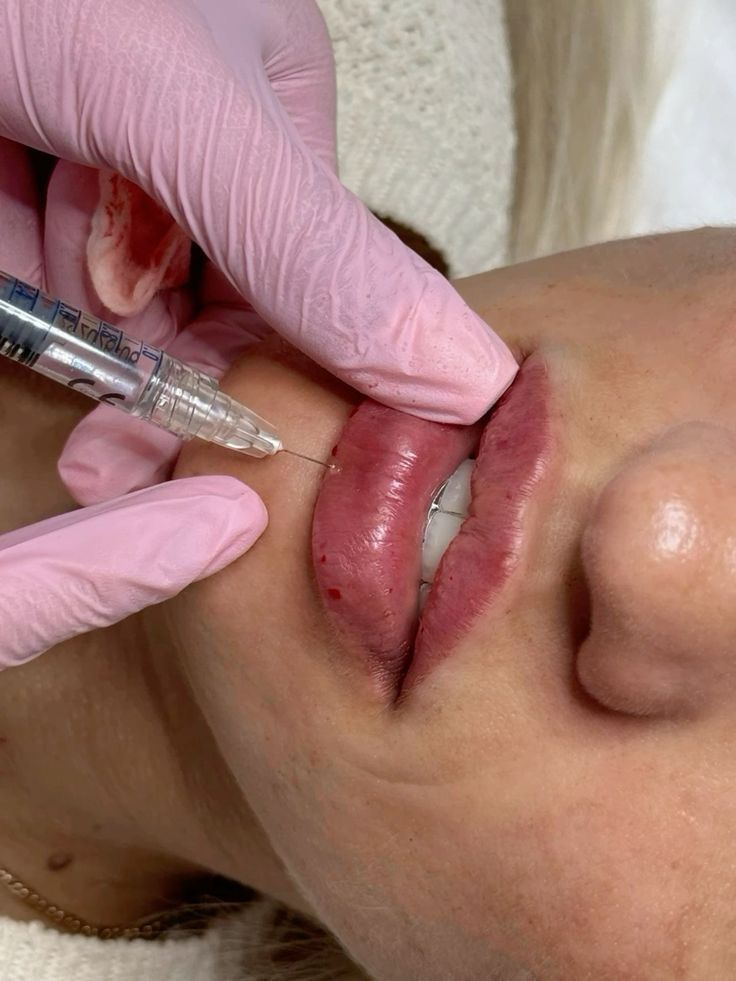
Hyaluronic acid (HA) is a sugar molecule that occurs naturally in the skin and holds water. HA fillers such as Juvéderm, Restylane and the RHA range are gels that add volume exactly where they're placed, with the result visible straight away.
That precision makes filler the go-to for shaping: lips, chin, jawline, the under-eye and specific folds. It is also reversible with hyaluronidase. Depending on the product and area, results typically last 6–18 months.
How Sculptra works
Sculptra is poly-L-lactic acid (PLLA), a collagen stimulator rather than a traditional filler. It's injected as a thin suspension; the water is absorbed within days, and the particles then trigger your own collagen production over the following weeks and months.
The result is gradual and natural-looking: a restored overall fullness and firmer skin rather than a sculpted point. Most patients need 2–3 sessions about four to six weeks apart, and results build over roughly 2–3 months and can last two years or more. Sculptra can't be dissolved, which is why technique and placement matter.
Side-by-side comparison
Speed: filler is immediate; Sculptra builds over months.
Best for: filler for definition and targeted areas; Sculptra for broader volume loss across the cheeks, temples and jawline, and for skin quality.
Sessions: filler is usually one visit; Sculptra usually 2–3.
Longevity: filler about 6–18 months; Sculptra about two years or more.
Reversibility: HA filler can be dissolved; Sculptra cannot.
Downtime: both involve a little swelling or bruising. After Sculptra you'll be asked to massage the area for several days.
Who suits which?
Filler is often better if you want a result for a specific event, want to enhance lips, chin or jawline, are treating the under-eye, or want the reassurance that it can be reversed.
Sculptra is often better if you have gradual, all-over volume loss (common after weight loss or in your 40s and beyond), want subtle change that friends won't spot as "work", and are happy to wait for results that last longer.
Sculptra isn't used in the lips or directly under the eyes. For those areas, HA filler is the safer choice. Read our tear trough filler guide for more on the under-eye.
Using both together
These treatments work well together. A common plan is Sculptra to rebuild overall support and skin quality, then a little HA filler for definition at the cheekbones, chin or jawline. That's the thinking behind full-face plans such as full-face harmonization: treating the whole face in balance rather than chasing one line at a time.
Cost at Aurelia
Sculptra is $875 per vial on our price list. Most people need about two vials per session for the face, over 2–3 sessions, depending on how much volume has been lost.
HA filler starts from $750 per syringe, and the number of syringes depends on the areas treated. Radiesse, another collagen-stimulating option, is $875 per 1.5 ml. See our injectables menu and price list, and ask about Cherry and Care Credit financing.
Frequently asked questions
Is Sculptra better than filler?+
Neither is better overall. Sculptra suits gradual, all-over volume loss and longer-lasting results; HA filler suits precise shaping and instant results. Many patients use both.
How long does Sculptra take to work?+
You'll see some fullness on day one from swelling and fluid, which settles within days. The real result builds over 2–3 months as collagen forms, and improves with each session.
Can Sculptra be dissolved?+
No. Unlike hyaluronic acid filler, Sculptra can't be dissolved, which is why it's placed conservatively and in stages.
How long does Sculptra last?+
Results commonly last around two years or more after a full series.
Can Sculptra be used in the lips?+
No. Sculptra isn't used in the lips or directly under the eyes. HA filler is the right choice for those areas.

Board-certified Family Nurse Practitioner, Doctor of Nursing Practice and experienced aesthetic injector with nearly 20 years of medical expertise. Dr. Langley believes that beautiful aesthetic results should enhance a woman’s natural features rather than change what makes her unique — every plan prioritizes safety, balance, and natural-looking results.
“My goal is never to make you look like someone else. It’s to help you feel beautiful, confident, and completely yourself.”
Ready to take the next step? Explore the treatment and book at our North Miami (Biscayne Blvd) or Palm Beach Gardens (Northlake Blvd) clinic:
This article is informed by guidance from independent medical authorities. Always consult a licensed provider for advice specific to you.
- Dermal fillers (soft tissue fillers) — U.S. Food and Drug Administration
- Dermal fillers — American Society of Plastic Surgeons
Aurelia's clinical content is written and reviewed by the practice's medical team, led by a board-certified injector recognized among the Top 100 in the USA.
- Top 100Injector-led clinical team — recognized among the Top 100 Injectors in the USA
- Board-certifiedFNP-C medical oversight on every treatment plan
- Since 2016Two South Florida clinics — North Miami & Palm Beach Gardens
- 5.0★From 217 verified patient reviews
- FDA-approvedInjectables, plus medical-grade, clinically studied devices